

Easy-Dressing Clothing for Dementia & Elderly Care
Adaptive clothing that reduces dressing time, prevents agitation, and preserves dignity — for patients with dementia, Alzheimer's, or age-related mobility limitations.
Free shipping · COD available
Shop Easy-Dressing Clothing for Dementia Care
Velcro fastenings, side openings, no buttons — designed for fast, calm dressing with minimal patient cooperation needed.
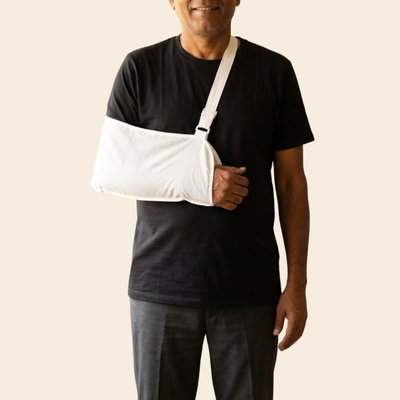
Adaptive Side-Opening Velcro T-Shirt for Men | Easy-Wear with Full Side-Open Design
Velcro side · dress in seconds, no cooperation needed
Rs. 999.00
View product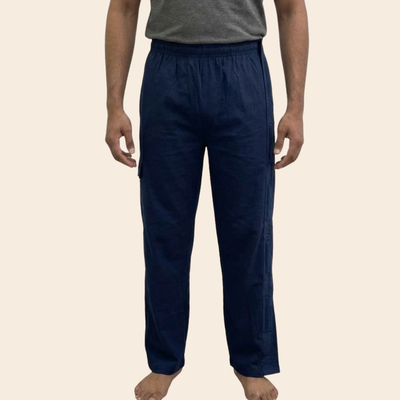
Post Surgery Night Pants for Men | Side-Opening Velcro | Knee & Hip Recovery
Side opening · no pulling or stepping through
Rs. 1,299.00
View product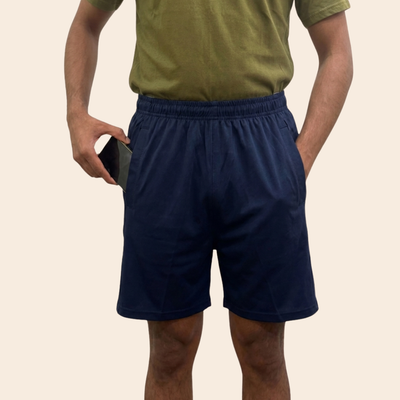
Adaptive Tearaway Shorts | 100% Cotton | Velcro Side-Opening for Easy Change (Men's)
Quick tearaway · fast change in any position
Rs. 999.00
View product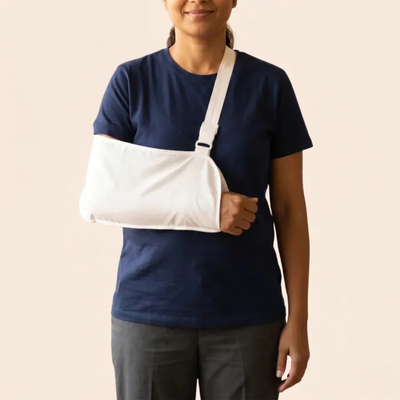
Post Surgery T-Shirt for Women | Side-Opening Velcro | Shoulder & Chest Recovery
Velcro side · dress in seconds, no cooperation needed
Rs. 999.00
Only 5 left
View product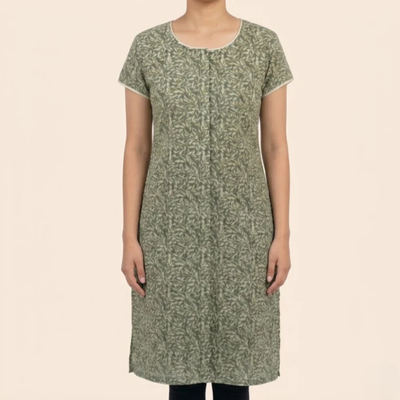
Front-Open Velcro Kurti for Women | Adaptive Easy-Wear Kurti (Green)
Front-open · familiar, dignified daily wear
Rs. 1,199.00
Only 8 left
View product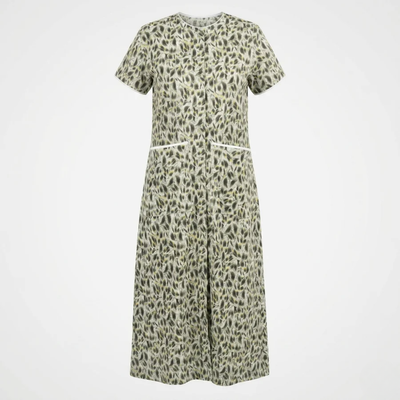
Post Surgery Nighty for Women | Front-Open Velcro | 100% Cotton | Aasra
Front-open · quick change for night incontinence
Rs. 1,399.00
Only 8 left
View product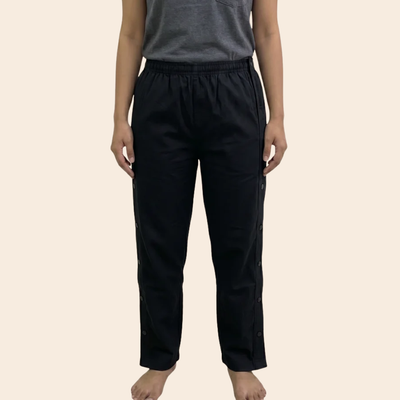
Post Surgery Night Pants for Women | Side-Opening Velcro | Knee & Hip Recovery
Side opening · no stepping through required
Rs. 1,299.00
View productWhy dressing is one of the hardest moments in dementia care
Dementia patients often resist dressing when the process takes too long or involves uncomfortable movements like arms being raised or legs stepped through openings. Faster, simpler garments reduce resistance.
Dressing a resistant or immobile person in standard clothing can take 20–30 minutes. Adaptive clothing cuts this to under 5 minutes — a meaningful difference across multiple care sessions per day.
Familiar garment styles (T-shirts, kurtas) in adaptive versions maintain the person's usual appearance, which reduces confusion and supports wellbeing.
Frequently asked questions
What clothing features help most for dementia patients?
Velcro instead of buttons, side or front openings instead of neck openings, and elastic waistbands are the three most important features. They reduce the number of steps in dressing, require less patient cooperation, and can be managed by a single caregiver. Familiar-looking garments (not obviously "medical") also reduce patient resistance.
Should the patient dress themselves or should a caregiver dress them?
Encouraging some participation in dressing — even small tasks like pressing velcro closed — supports cognitive engagement and independence for as long as possible. Occupational therapists recommend adaptive clothing precisely because it allows partial participation without the frustration of buttons or zips the patient can no longer manage.
Will these look like regular clothes or medical garments?
These garments look and feel like regular everyday clothing — T-shirts, kurtas, pyjamas. The adaptive features (velcro sides, front openings) are not visible from the outside. This is important for dignity and also reduces confusion for the patient.
Are these suitable for bed-bound patients too?
Yes. Side-opening garments and front-open nighties are specifically designed for patients who cannot stand or fully cooperate during dressing. The caregiver can dress the patient while they remain lying or seated, without requiring the patient to lift or position limbs.