

Parkinson's Disease Clothing: Dress Without Buttons or Fine Motor Control
Velcro-fastened adaptive clothing for Parkinson's patients — no buttons, no zips, no fine motor skills required.
Free shipping · COD available
Shop Adaptive Clothing for Parkinson's Disease
Velcro fastenings replace buttons and zips — no fine motor control needed. Side openings make dressing possible even with tremor.
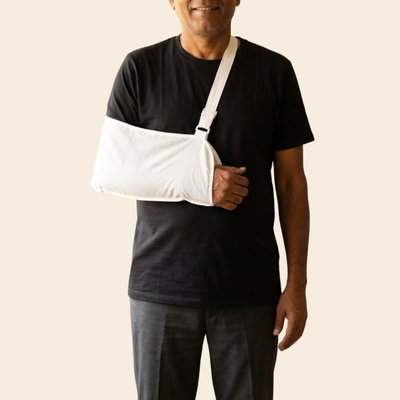
Adaptive Side-Opening Velcro T-Shirt for Men | Easy-Wear with Full Side-Open Design
Velcro side · no buttons, no fine motor control
Rs. 999.00
View product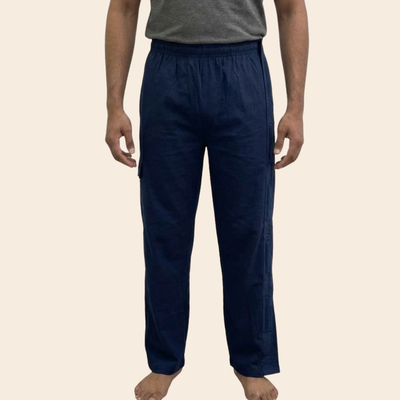
Post Surgery Night Pants for Men | Side-Opening Velcro | Knee & Hip Recovery
Velcro side · no belt buckle or trouser buttons
Rs. 1,299.00
View product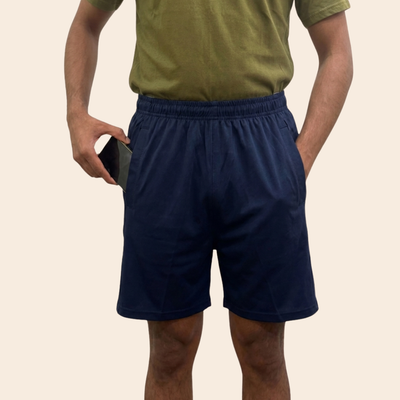
Adaptive Tearaway Shorts | 100% Cotton | Velcro Side-Opening for Easy Change (Men's)
Quick tearaway · independent dressing even with tremor
Rs. 999.00
View product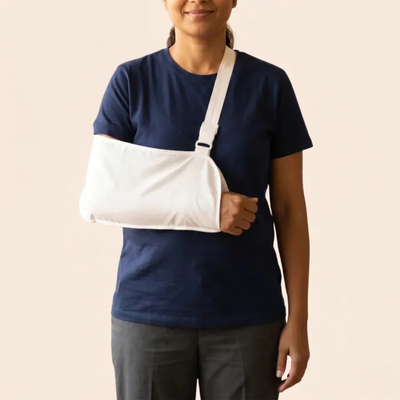
Post Surgery T-Shirt for Women | Side-Opening Velcro | Shoulder & Chest Recovery
Velcro side · no buttons, no fine motor control
Rs. 999.00
Only 5 left
View product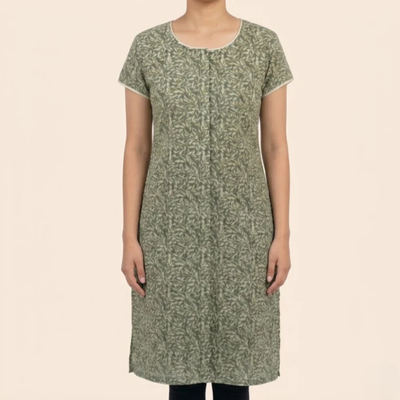
Front-Open Velcro Kurti for Women | Adaptive Easy-Wear Kurti (Green)
Front-open · dignified daily wear with no fastening
Rs. 1,199.00
Only 8 left
View product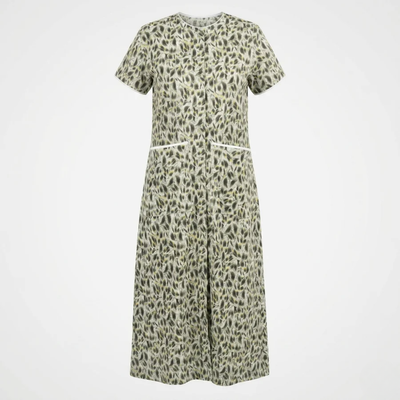
Post Surgery Nighty for Women | Front-Open Velcro | 100% Cotton | Aasra
Front-open · slip on at night with no fine motor effort
Rs. 1,399.00
Only 8 left
View product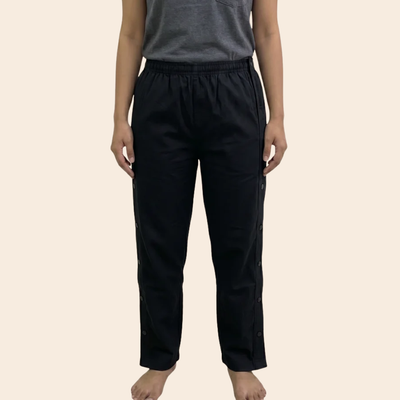
Post Surgery Night Pants for Women | Side-Opening Velcro | Knee & Hip Recovery
Velcro side · no drawstring or elastic struggle
Rs. 1,299.00
View productWhy Parkinson's makes dressing with regular clothes so difficult
Fine motor tasks like buttoning a shirt or threading a belt can take 10–15 minutes and cause significant frustration. Velcro replaces all fine-motor fastening tasks.
Parkinson's muscle rigidity means simple movements like pulling on a sleeve or lifting a foot through a trouser leg take far longer and cause exhaustion. Garments that open fully at the side require none of this.
Many Parkinson's patients can dress themselves independently in adaptive clothing, which they cannot do in standard clothing. Preserving this independence significantly improves quality of life and reduces caregiver burden.
Frequently asked questions
What clothing features help most with Parkinson's tremor?
Velcro closures are the single biggest help — they replace buttons, zips, hooks, and belt buckles. Wide side openings remove the need to thread limbs through tight openings. Elastic-free, velcro-closed waistbands mean trousers can be managed without precise finger movement. Loose cotton fabric reduces sensory irritation during the dressing process.
Can Parkinson's patients dress themselves with adaptive clothing?
Many can, especially in early to moderate stages of the disease. The key is eliminating the fine motor tasks (buttons, hooks, zips) that become impossible with tremor, and reducing the gross motor effort (pulling, tugging, balancing) that is difficult with rigidity. Occupational therapists commonly recommend adaptive clothing as a first-line approach to maintaining dressing independence.
Are kurtas and Indian-style garments available in adaptive versions?
Yes. Front-open kurtas with velcro or tie fastening at the front allow patients to wear familiar Indian clothing without the fine motor challenge of regular kurta buttons or hook-and-eye closures.
Does clothing matter for freezing episodes?
Yes. Freezing of gait sometimes occurs during transitions like standing up to dress, or when motor sequences are disrupted mid-task. Adaptive clothing reduces the number of motor steps in dressing, which can reduce the likelihood of triggering or prolonging a freezing episode during the dressing routine.