

Shoulder Surgery Recovery Clothing: Dress Without Raising Your Arm
Side-opening adaptive clothing for rotator cuff, labrum, and shoulder replacement patients — no overhead movements required.
Free shipping · COD available
Shop Shoulder Surgery Recovery Clothing
All garments open fully at the side or front. No raising the arm above shoulder height.
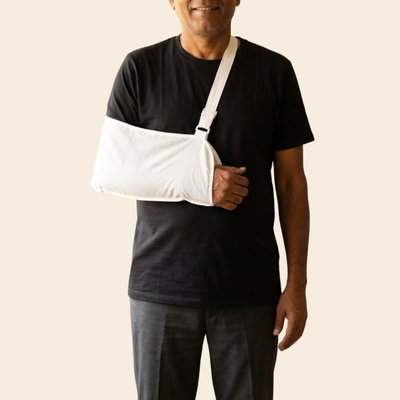
Adaptive Side-Opening Velcro T-Shirt for Men | Easy-Wear with Full Side-Open Design
Side tearaway · no raising arm to dress
Rs. 999.00
View product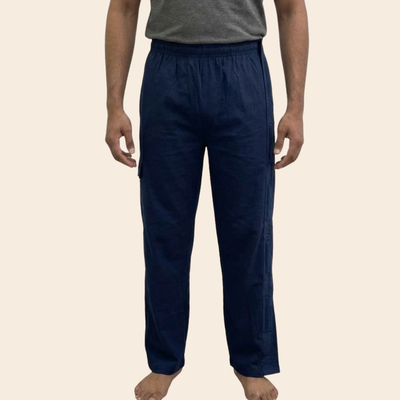
Post Surgery Night Pants for Men | Side-Opening Velcro | Knee & Hip Recovery
Side opening · no bending or reaching down
Rs. 1,299.00
View product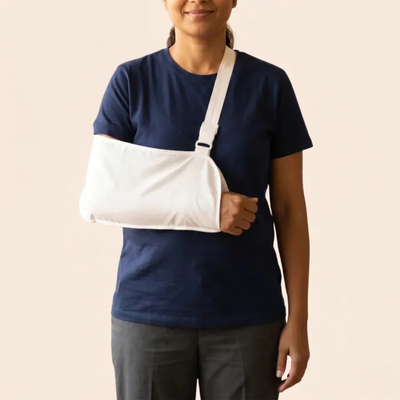
Post Surgery T-Shirt for Women | Side-Opening Velcro | Shoulder & Chest Recovery
Side tearaway · no raising arm to dress
Rs. 999.00
Only 5 left
View product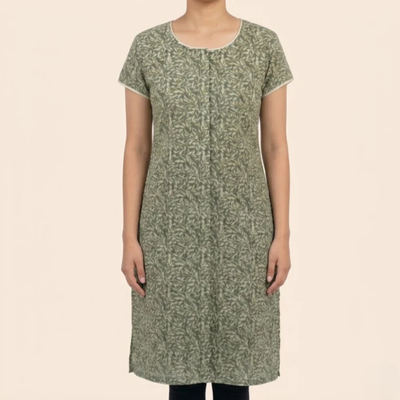
Front-Open Velcro Kurti for Women | Adaptive Easy-Wear Kurti (Green)
Front-open · drape over shoulder, no lifting
Rs. 1,199.00
Only 8 left
View product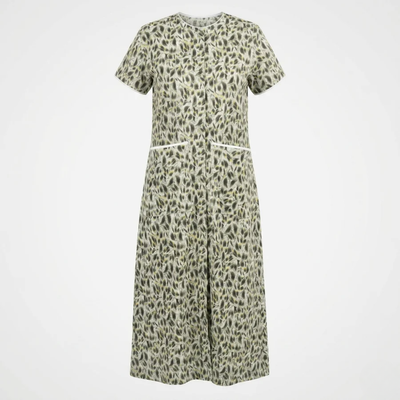
Post Surgery Nighty for Women | Front-Open Velcro | 100% Cotton | Aasra
Front-open · comfortable rest without arm effort
Rs. 1,399.00
Only 8 left
View productHow to put it on: 4 steps, arm stays low
The operated arm does not need to be raised at any point. A caregiver can complete dressing while the patient stays seated still.
Why dressing is the hardest part of shoulder recovery
Rotator cuff and labrum repairs restrict arm elevation to below shoulder height for 6–12 weeks. A standard T-shirt pulled over the head immediately violates this restriction.
With one arm immobilised, regular button shirts and fitted kurtas become impossible to put on alone. Side-opening garments can be managed with one hand.
Even gentle pulling across the chest, or tugging a sleeve past the operated shoulder, can strain sutures during the first weeks of healing.
How this clothing helps
The T-shirt opens entirely at the side — no pulling overhead, no tugging across the chest. Arm stays below shoulder level throughout.
The garment can be managed by the patient with their unaffected arm alone, or by a caregiver. No coordination required between both hands.
100% cotton, no rough seams near the shoulder. Gentle on the skin over the surgical site and comfortable to wear under a sling.
The garment can be quickly opened and closed for physiotherapy sessions without full undressing — saves time and avoids unnecessary movement.
Recovery timeline: when will you need adaptive clothing?
Frequently asked questions
How long will I need adaptive clothing after shoulder surgery?
Most patients need arm-restricted clothing for 6–12 weeks, depending on the type of surgery. Rotator cuff repairs typically require 8–12 weeks of restricted arm use; labrum repairs around 6 weeks; shoulder replacements vary by surgeon protocol. Your surgeon or physiotherapist will advise when you can return to overhead dressing.
Can I put on a T-shirt by myself after shoulder surgery?
Standard T-shirts are not recommended because they require raising the arm to pull over the head. Side-opening tearaway T-shirts can be managed with one hand — you slide the operated arm in first (keeping it below shoulder height), then wrap the garment across and press the velcro closed. Most patients manage independently after a few attempts.
What about wearing a dupatta or saree with shoulder restrictions?
Draping a dupatta or saree requires shoulder rotation and arm elevation — both restricted post-shoulder surgery. During the healing period, front-open kurtas worn simply without a dupatta are the safest and most practical option. A lightweight stole draped loosely can be added once restricted movement is cleared by your physiotherapist.
Is it safe to use the arm in a sling while dressing?
Your surgeon will specify exactly when and how much to use the operated arm. In the first 2–4 weeks, most protocols require the arm to remain in the sling except for prescribed exercises. For dressing, the unaffected arm does the work — which is why one-hand-manageable garments are essential.
Do these T-shirts work for rotator cuff and shoulder replacement both?
Yes. The core restriction in both cases is the same: arm cannot be raised above shoulder level. The side-opening tearaway design accommodates this restriction regardless of the specific procedure. If you have had a shoulder replacement, the fabric is also soft enough to wear comfortably over the surgical site.