

Adaptive Clothing for Arthritis: No Buttons, No Zippers, No Struggle
Velcro adaptive clothing designed for arthritic hands — dressing without pain or frustration, every single morning.
Free shipping · COD available
Shop Adaptive Clothing for Arthritis
Velcro closures, elastic waist, side-opening. No fine motor grip required.
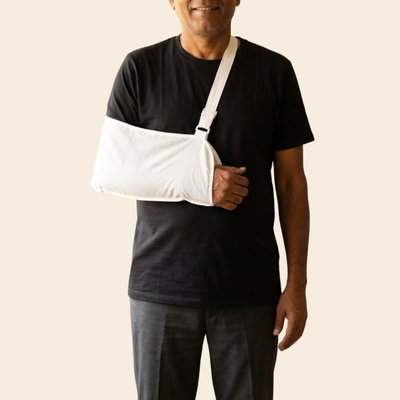
Adaptive Side-Opening Velcro T-Shirt for Men | Easy-Wear with Full Side-Open Design
Side tearaway · no hunching or gripping to dress
Rs. 999.00
View product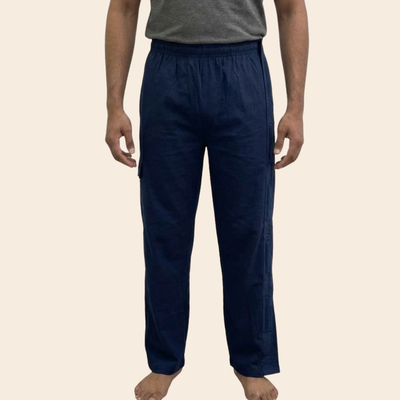
Post Surgery Night Pants for Men | Side-Opening Velcro | Knee & Hip Recovery
Velcro closure · no buttons or zippers
Rs. 1,299.00
View product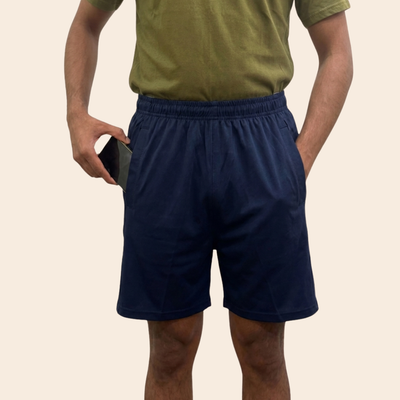
Adaptive Tearaway Shorts | 100% Cotton | Velcro Side-Opening for Easy Change (Men's)
Tearaway sides · minimal hand effort
Rs. 999.00
View product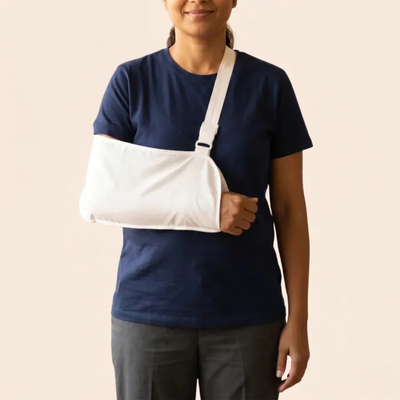
Post Surgery T-Shirt for Women | Side-Opening Velcro | Shoulder & Chest Recovery
Side tearaway · no hunching or gripping to dress
Rs. 999.00
Only 5 left
View product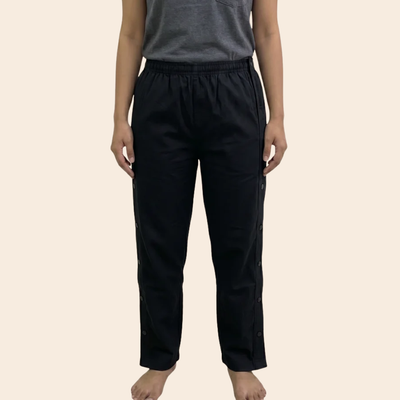
Post Surgery Night Pants for Women | Side-Opening Velcro | Knee & Hip Recovery
Velcro closure · no buttons or zippers
Rs. 1,299.00
View product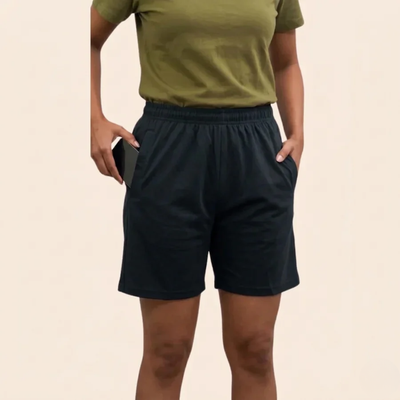
Post Surgery Shorts for Women | Knee & Hip Recovery | Side-Opening Velcro
Tearaway sides · minimal hand effort
Rs. 999.00
View product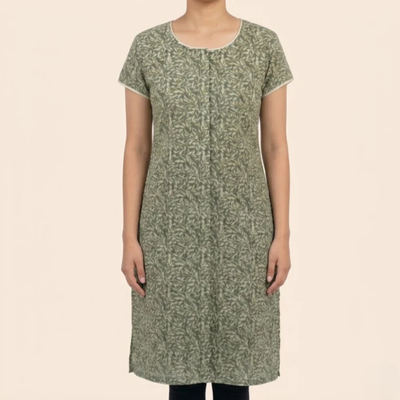
Front-Open Velcro Kurti for Women | Adaptive Easy-Wear Kurti (Green)
Front-open wrap · no raising arms to dress
Rs. 1,199.00
Only 8 left
View productHow to put it on: 4 steps, minimal hand strain
No pinching, no gripping, no twisting. The whole process works with open hands and minimal joint strain.
If you're buying this for someone you're caring for
This clothing works independently on good days and makes it easy to assist on bad days — without the battle.
Arthritis is worst in the first 30 minutes of the day. Velcro clothing removes the most difficult part of that window.
The wide elastic waist accommodates joint swelling. Size up if they're between sizes.
Why regular clothes make arthritis worse
Buttons require pinching grip
Zippers strain inflamed joints
Pressure on hip and knee joints
Standing to dress risks falls
How our adaptive clothing is designed differently
No pinching, no threading. Open and close with a flat palm press.
Gentle on hip and knee joints. No tight band pressing on inflamed areas.
The side-opening means you never need to stand and balance during dressing.
No synthetic friction on sensitive or inflamed skin.
When does adaptive clothing help most with arthritis?
Morning stiffness (first 30–60 min)
Most helpfulJoint stiffness peaks immediately after waking. This is when buttons are most painful and falls risk is highest during dressing.
Flare days
Essential on bad daysDuring arthritis flares, even mild grip strength drops dramatically. Velcro clothing removes fine motor demands entirely.
Good days
ConvenientMany users prefer adaptive clothing every day once they experience how much easier mornings become.
Long term
Daily useUnlike surgical recovery, arthritis is ongoing. Many patients use adaptive clothing permanently as the easiest daily choice.
What specialists know about arthritis and dressing
"Joint protection principles include avoiding static gripping and pinching. Standard buttons and zippers require exactly the fine motor grip that arthritic joints struggle with most — and the effort compounds inflammation."
Joint protection guidelines, rheumatology
"Adaptive clothing is a first-line intervention for arthritis patients. Velcro closures and elastic waists significantly reduce dressing difficulty and help preserve joint function for more important activities."
Adaptive equipment guidelines, occupational therapy
Dr. Priya Rao · Rheumatologist
"I recommend adaptive clothing to my arthritis patients as part of joint protection. Eliminating buttons and zippers from the daily routine reduces unnecessary strain on already-inflamed joints."
"My mother has severe rheumatoid arthritis and buttons are simply impossible now. These pants are the first thing in years she's been able to put on without help."
"My father-in-law has osteoarthritis in both hands and knees. The velcro closure changed his morning completely — he can dress without calling for help now."
"During flare-ups my mother's grip is so weak she can't button anything. These velcro pyjamas mean she can still dress herself on the hard days."
Frequently asked questions about clothing for arthritis
What clothing is best for arthritis patients?
Clothing with velcro closures instead of buttons or zippers, wide elastic waistbands, and loose-fitting designs. The key is minimising fine motor demand — arthritic joints lose grip strength and pinching ability, especially in the morning. Adaptive clothing with velcro and elastic waists can be put on with open hands and minimal effort.
Is velcro clothing good for arthritis?
Yes. Velcro is ideal for arthritic hands because it requires only a flat palm press to close — no pinching, no threading, no grip strength. It opens easily with a single pull and closes securely. It is the recommended closure type in occupational therapy adaptive equipment guidelines.
Will the velcro hold after washing?
Yes. Close the velcro tabs before washing, machine wash cold on gentle, and air dry. The hook-and-loop bond remains strong after repeated washing. Avoid washing with towels or fabrics that catch on the velcro.
Can I wear this every day, not just during a flare?
Absolutely. Many of our arthritis customers use adaptive clothing as their everyday clothing. Once you experience how much easier mornings become without buttons and zippers, most people don't want to go back. The fabric is designed for daily use — soft, breathable, and durable.
Does this work for both rheumatoid arthritis and osteoarthritis?
Yes. Both conditions affect joint mobility and grip strength, particularly in the hands and knees. Velcro closures, elastic waists, and side-opening designs help with dressing challenges common to both. Rheumatoid arthritis patients especially benefit on flare days when grip is severely reduced.
Make every morning easier
For yourself, or for someone you're caring for.
Shop arthritis clothingOther conditions we help with
This page provides general educational information. It is not medical advice. Always follow your rheumatologist and occupational therapist's specific guidance.