

Post C-Section Recovery Clothing: Soft Waistband, No Pressure on Your Incision
Wide soft elastic waist pyjamas for C-section recovery — no tight waistband, no rubbing, no bending required.
Free shipping · COD available
Shop Post C-Section Recovery Clothing
Wide soft elastic waist, side-opening, 100% cotton — designed for your recovery.
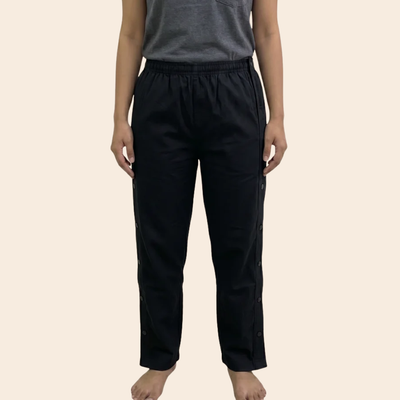
Post Surgery Night Pants for Women | Side-Opening Velcro | Knee & Hip Recovery
Soft wide elastic waist · no incision pressure
Rs. 1,299.00
View product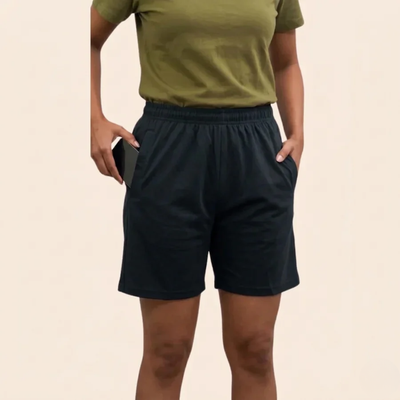
Post Surgery Shorts for Women | Knee & Hip Recovery | Side-Opening Velcro
Easy on from seated · no bending
Rs. 999.00
View product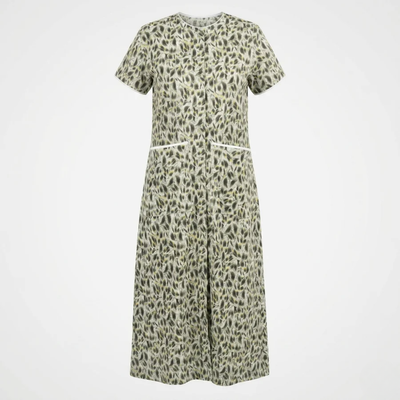
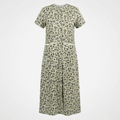
Post Surgery Nighty for Women | Front-Open Velcro | 100% Cotton | Aasra
Front-open · easy night feeds without straining the wound
Rs. 1,399.00
Only 8 left
View product
Women's Recovery Bundle: Pajama + Shorts + Nighty
Rs. 2,298.00
How to put it on: 4 steps, no bending
You stay lying back or seated throughout. No bending, no balancing. A caregiver or your partner can do all 4 steps.
If you're buying this for someone recovering
The incision is horizontal, right where waistbands sit. Side-opening clothing means you do the velcro — she doesn't move.
Sleep deprivation plus surgery recovery plus a newborn. Every task that takes 2 minutes instead of 20 matters enormously.
The wide elastic waist accommodates post-delivery abdominal swelling. Size up if between sizes for extra comfort.
Why regular clothes are so hard after C-section
Standard waistbands press the wound
No forward bending for 4–6 weeks
Post-delivery swelling changes your size
Newborn care on zero sleep makes everything harder
How our adaptive clothing is designed for C-section recovery
Sits above or below the incision. No pressure, no rubbing on healing tissue.
Put on from lying down or seated — no bending at the waist at any point.
The velcro side closes at whatever width is comfortable — no size guessing needed.
Breathable, gentle on sensitive post-delivery skin. No synthetic rubbing.
How long will you need adaptive clothing after C-section?
Week 1–4
EssentialIncision most sensitive, abdominal muscles weakest, swelling highest. Standard waistbands are not safe or comfortable during this phase.
Week 4–8
Highly helpfulIncision healing but still sensitive. Soft waistbands remain significantly more comfortable than standard clothing.
Week 8–12
OptionalMost movement returning. Many new mothers continue wearing adaptive clothing for its ease with nighttime feeding and nappy changes.
After 3 months
Normal wearReturn to regular clothing when your OB or midwife confirms the incision is fully healed and abdominal strength has returned.
What specialists know about C-section recovery
"The C-section incision sits exactly where standard trouser waistbands press. Any friction or compression on this site slows healing, increases discomfort, and raises the risk of wound complications. The waistband is not a small detail."
Post-operative wound care protocol, obstetric surgery
"New mothers recovering from C-section are also sleep-deprived and caring for a newborn. Every ounce of energy saved on basic tasks like dressing is energy they genuinely do not have to spare. Adaptive clothing is a practical, high-impact intervention."
Postpartum rehabilitation protocol, women's health physiotherapy
Dr. Divya Mehta · Obstetrician & Gynaecologist
"I tell every C-section patient: your incision is where your waistband sits. For the first 6 weeks, nothing should press or rub on that site. Wide elastic or side-opening clothing is the right choice during this entire healing period."
"I had an emergency C-section and nothing I owned fit over the incision area without pain. These pyjamas with the wide soft waistband were the only thing comfortable for the first 6 weeks."
"My sister had a C-section and Maa was helping her dress every morning. These made it so much simpler — no lifting, no bending, just slide and velcro. Done in 2 minutes."
"Getting dressed with stitches and a newborn is a whole situation. These pyjamas removed at least one problem from an overwhelming first week at home."
Frequently asked questions about post C-section clothing
What should I wear after a C-section?
Loose clothing with a wide, soft elastic waistband that doesn't press on the horizontal incision. The incision sits at or just below the bikini line — exactly where most trouser and pyjama waistbands sit. Wide elastic waist adaptive pyjamas that can be put on without bending are ideal for the first 4–6 weeks.
Will the waistband rub on my stitches?
Our pyjamas have a wide, flat elastic waistband (not a narrow digging band). Many women find it sits just above the incision with no contact at all. If you prefer it below, the elastic is soft enough to fold down gently. The velcro side means you can adjust exactly where it sits before closing.
Should the waistband sit above or below the C-section incision?
Above is generally more comfortable in the first 2 weeks, as it keeps all pressure away from the wound. After week 2–3, some women prefer it just below (folded under) as the incision becomes less sensitive. Try both and see what works for your healing. The side-opening velcro lets you adjust before committing to any position.
How long until I can wear normal jeans or pants after C-section?
Most women return to regular waistbands at 6–8 weeks, when the incision is healed and sensitivity reduces. Jeans with a stiff waistband typically take longer — 10–12 weeks. Your midwife or OB will confirm at your 6-week check-up. There is no rush — many new mothers find loose elastic-waist clothing comfortable well beyond 3 months.
Can I wear maternity clothes after a C-section?
Yes, in the first few weeks. Maternity jeans with a full panel can work as the panel sits above the incision. However, the panel also compresses the abdomen, which is not ideal for wound healing. Loose elastic-waist adaptive clothing without compression is a better choice for the first 6 weeks.
One less thing to worry about
For your recovery, or as a thoughtful gift for a new mother.
Shop C-section recovery clothingRecovering from something else?
This page provides general educational information. It is not medical advice. Always follow your obstetrician, midwife, and physiotherapist's specific guidance.