

Clothing After Mastectomy: Dress Without Raising Your Arms
Soft, easy-on adaptive clothing for mastectomy and breast cancer recovery — no lifting arms required, gentle on drains and dressings.
Free shipping · COD available
Shop Mastectomy Recovery Clothing
Side-opening, no lifting, soft cotton — gentle for post-surgery recovery.
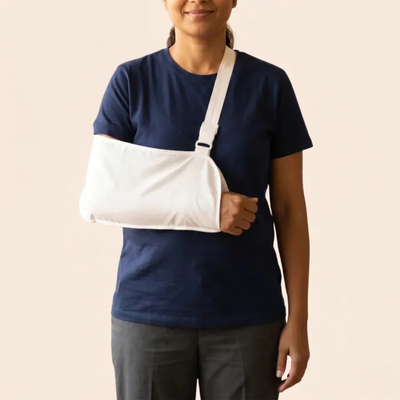
Post Surgery T-Shirt for Women | Side-Opening Velcro | Shoulder & Chest Recovery
Side tearaway · dress without raising either arm
Rs. 999.00
Only 5 left
View product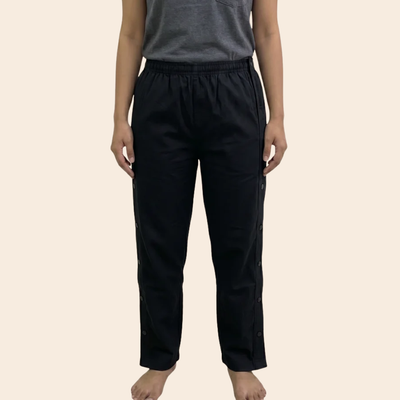
Post Surgery Night Pants for Women | Side-Opening Velcro | Knee & Hip Recovery
Side-opening · no arm lifting required
Rs. 1,299.00
View product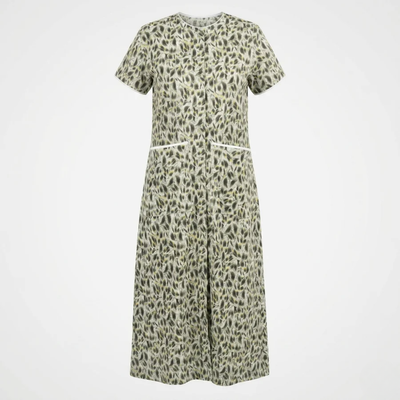
Post Surgery Nighty for Women | Front-Open Velcro | 100% Cotton | Aasra
Front-open · slip on without lifting arms
Rs. 1,399.00
Only 8 left
View product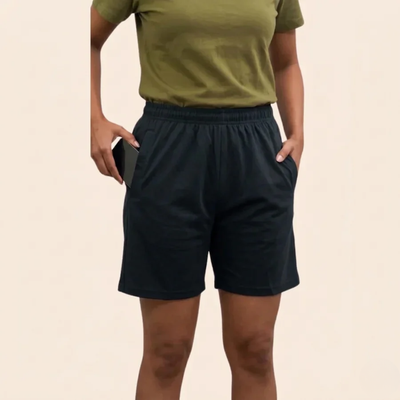
Post Surgery Shorts for Women | Knee & Hip Recovery | Side-Opening Velcro
Easy on from seated · no arm strain
Rs. 999.00
View productHow to put it on: 4 steps, arms stay low
Arms never need to rise above the waist. A caregiver can do all 4 steps while she rests.
If you're buying this for someone you love
After mastectomy, raising the arm above shoulder level is restricted for 4–6 weeks. Pulling on regular trousers requires reaching down — which raises and rotates the arm on the surgical side. Side-opening clothing removes that movement entirely.
Surgical recovery fatigue makes every task harder than it looks from the outside. Reducing effort in dressing frees energy for healing.
The velcro side adjusts for any post-surgical swelling or dressing bulk. Size up if she's between sizes.
Why regular clothes are so difficult after mastectomy
Cannot raise arms above shoulder level
Drains limit what fits over clothing
Post-surgery exhaustion makes effort costly
Tight clothing rubs on healing tissue
How our adaptive clothing helps during recovery
Side-opening means the garment comes to you — you don't reach for it.
No pressure anywhere near the surgical site. Gentle on sensitive skin.
Can be put on from a lying or seated position — no standing or balancing.
Breathable and gentle on post-surgery and chemotherapy-sensitive skin.
How long will you need adaptive clothing after mastectomy?
Week 1–4
EssentialDrains typically in place, shoulder mobility most restricted, fatigue highest. Adaptive clothing is not optional in this phase.
Week 4–8
Highly helpfulDrains removed in most cases, but arm movement still limited and energy levels remain low during recovery.
Week 8–12
OptionalMost movement returning. Adaptive clothing remains comfortable for daily rest wear and physio sessions.
After 3 months
Normal wearReturn to regular clothing when your surgeon confirms full shoulder range is restored and healing is complete.
What specialists know about post-mastectomy recovery
"Post-mastectomy, shoulder mobility is restricted for 4–6 weeks minimum. Pulling on regular garments or raising arms to dress can strain healing tissue and lymph drainage pathways. Everything that reduces arm movement in the first weeks matters."
Post-operative care protocol, oncology nursing
"After breast cancer surgery, fatigue is significant even in early recovery. Every ounce of energy saved on basic tasks like dressing is energy the body can direct toward healing. Adaptive clothing is a simple, high-impact change."
Post-surgical rehabilitation, oncology physiotherapy
Dr. Sunita Nair · Breast Oncology Surgeon
"I tell every post-mastectomy patient: the first three weeks, your arms stay low. Clothing that goes on from the side, not over the head or through the armhole, removes the most common way patients strain their recovery."
"My mother had a mastectomy in February and was so exhausted she could barely lift her arms. The soft cotton pyjamas meant we could get her dressed without causing any pain."
"Getting dressed after my mother's surgery was the hardest part of every morning. These made it so much more dignified — she didn't have to struggle or depend on me for every small thing."
"During chemo, even putting on pyjamas was exhausting for her. The velcro side-opening made it a 2-minute job instead of a 20-minute ordeal."
Frequently asked questions about clothing after mastectomy
What should I wear after a mastectomy?
Loose, front-opening or side-opening clothing that requires no lifting of arms above the shoulder. For the lower body, side-opening adaptive pyjamas work best — no pulling up, no waistband pressure. For the upper body, look for front-snap or front-zip tops specifically designed for post-mastectomy patients.
What clothing is gentle on drains after breast surgery?
Loose, non-restrictive clothing with room to accommodate drain bulbs comfortably. Side-opening garments work well because nothing is pulled over the drain area. Soft cotton is gentler on skin around drain sites than synthetic fabrics. Avoid anything with tight waistbands or compression near the chest.
How long will I have restricted arm movement after mastectomy?
Typically 4–6 weeks for significant restriction, with gradual improvement through physiotherapy. Arm exercises prescribed by your physiotherapist help restore range of motion. Your surgeon will assess at each follow-up visit. Most patients regain full range by 8–12 weeks.
Is there adaptive clothing for chemotherapy patients?
Yes. Chemotherapy causes fatigue, nausea, and sometimes peripheral neuropathy (numbness in hands and feet) that makes dressing harder. Adaptive clothing with velcro instead of buttons and side-openings instead of pull-ons is also useful during active treatment, not just after surgery.
What to wear after lumpectomy or breast reconstruction?
Similar principles apply: avoid lifting arms above shoulder and avoid compression near the surgical site. Side-opening adaptive clothing works well. For reconstruction specifically, ask your surgeon about drainage and wound care requirements that affect what clothing is safe to wear.
One less thing to worry about
For her recovery, or as a thoughtful gift from someone who cares.
Shop mastectomy recovery clothingRecovering from something else?
This page provides general educational information. It is not medical advice. Always follow your oncologist, surgeon, and physiotherapist's specific guidance.